April 7, 2026
Attic insulation is often one of the most overlooked aspects of a home, yet it plays a foundational role in overall energy efficiency, comfort, and long-term cost savings. Many homeowners focus on visible upgrades like new appliances or windows, but the condition of an attic can have an even greater impact on how a home performs year-round. Without proper insulation, heat can easily escape during the winter and infiltrate during the summer, forcing heating and cooling systems to work harder than necessary. This not only increases utility bills but also accelerates wear and tear on essential HVAC equipment.
Understanding how attic insulation works—and why it matters—can help homeowners make more informed decisions about maintaining and improving their property. From reducing energy consumption to enhancing indoor air quality, the benefits extend far beyond temperature control. Whether you’re building a new home or upgrading an existing one, investing in proper attic insulation is one of the most practical and cost-effective ways to create a more comfortable, efficient, and sustainable living environment.
The Basics of Attic Insulation
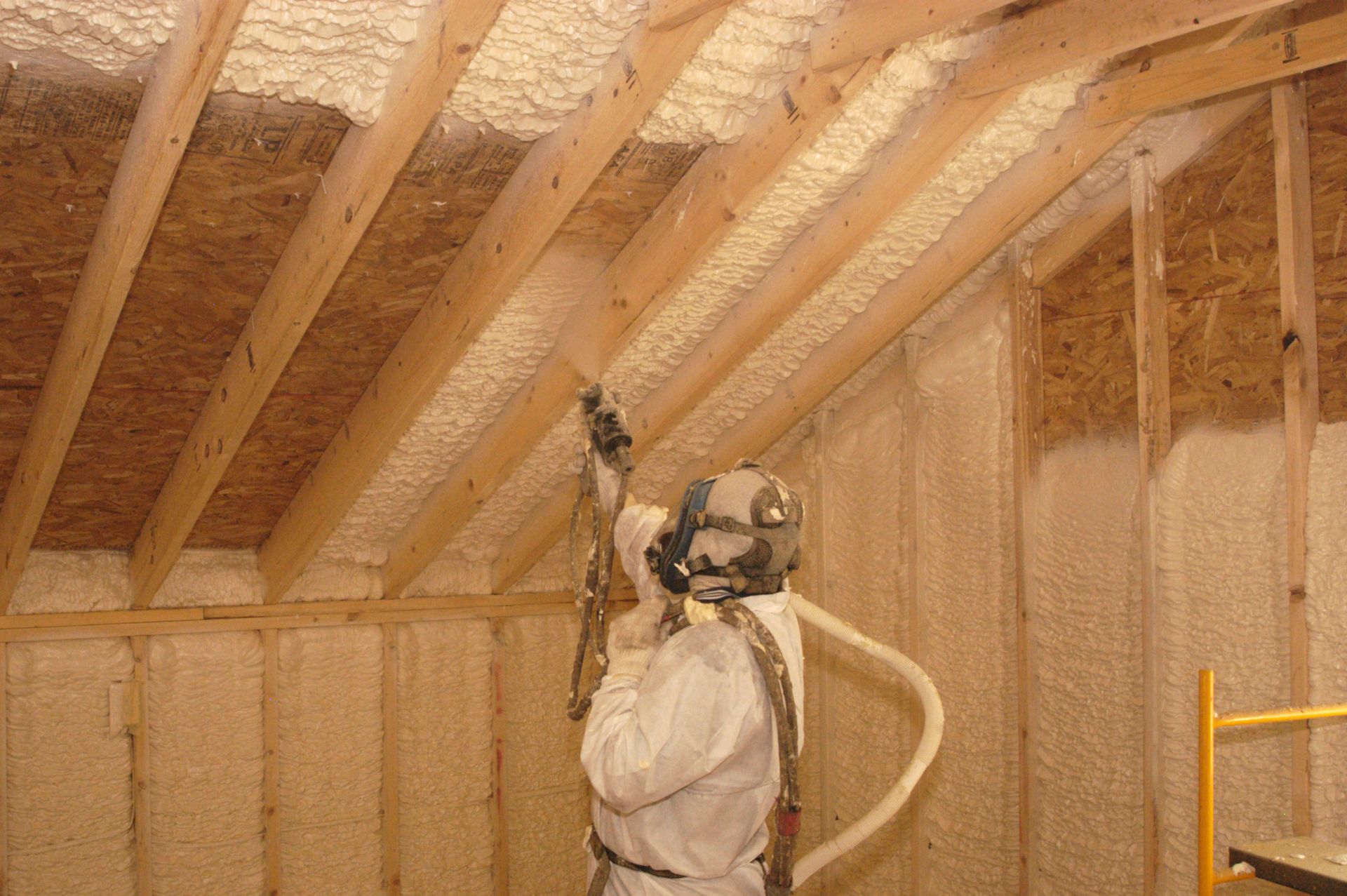
Attic insulation is a critical component in home construction, designed to reduce heat loss or gain by creating a thermal barrier. It helps to maintain a steady and comfortable indoor temperature, making homes more energy-efficient. The primary function of attic insulation is to impede the flow of heat into and out of the home, which in turn diminishes the need for artificial heating or cooling. This thermal resistance results in reduced energy consumption and decreased utility bills for homeowners. A well-insulated attic is essential for enhancing the overall performance of a home's HVAC system.
The importance of attic insulation cannot be overstated, given its direct impact on the efficiency of heating and cooling systems. With nearly half of residential energy use attributed to temperature regulation, optimizing attic insulation can lead to substantial reductions in energy requirements. As heating and cooling demand decrease, the strain on energy resources also lessens, promoting a more sustainable living environment. By acting as a thermal buffer, attic insulation mitigates the effects of external temperature fluctuations. This ensures a comfortable indoor atmosphere throughout different seasons.
Without proper insulation, attics can become significant sources of energy loss, undermining household energy efficiency efforts. Thus, selecting and installing the right insulation material is vital for maximizing the energy-saving benefits. Effective insulation translates to lower utility expenses, demonstrating the tangible financial advantages of investing in good attic insulation. In turn, such energy-conscious decisions contribute to broader efforts in environmental conservation. Homeowners who prioritize attic insulation play an active role in energy conservation and eco-friendly living practices.
Energy Efficiency and Cost Savings
Proper attic insulation plays an instrumental role in reducing energy costs by minimizing heat loss or gain through the roof. By improving thermal resistance, insulation reduces the need for excessive heating and cooling, leading to substantial energy savings for homeowners. According to the University of Michigan's Center for Sustainable Systems, heating and cooling comprise about 45% of total energy use in the residential sector. Consequently, enhancing attic insulation can lead to significant financial savings on energy bills over time. This direct impact underscores the value of investing in quality attic insulation solutions.
Optimizing attic insulation supports more consistent indoor temperatures, allowing HVAC systems to work more efficiently and consume less energy. As a result, homeowners can enjoy a more comfortable living environment without incurring high utility expenses. Additionally, well-maintained insulation helps prevent energy loss through air leaks and thermal bridging, further reducing reliance on heating and cooling systems. This improvement in energy management translates to lower household carbon footprints, supporting broad efforts in environmental conservation. Thus, effective attic insulation is a simple yet powerful tool in promoting sustainable energy practices at the household level.
The immediate financial benefits of upgrading attic insulation are complemented by long-term savings from lowered energy consumption. Lower energy bills provide a return on investment that homeowners can appreciate over the lifespan of the insulation. Continuous efforts to maintain proper insulation contribute to sustained energy efficiency and financial savings year after year. For homeowners committed to reducing energy waste, enhanced attic insulation represents a strategic, eco-friendly investment. By prioritizing efficient insulation, these individuals demonstrate a proactive approach to responsible energy use and cost-saving measures.
Long-term Financial Benefits
Investing in quality attic insulation offers considerable long-term financial benefits for homeowners, extending beyond immediate energy bill reductions. Over time, the savings from reduced energy consumption can offset the initial costs of installation and provide significant financial returns. Proper insulation also extends the lifespan of HVAC systems by reducing their workload, leading to fewer repair expenses and delayed replacement costs. While the upfront expenses may seem substantial, the cumulative financial benefits of less reliance on heating and cooling systems present a compelling economic rationale. Homeowners can achieve meaningful cost savings through improved energy efficiency.
The long-term financial gains from improved attic insulation are further supported by increased property value, as energy-efficient homes are highly desirable in the real estate market. Prospective buyers often prioritize homes with modern energy-saving features due to the promise of lower operating costs and a reduced environmental impact. As such, effective attic insulation enhancements can enhance a property's market appeal, potentially yielding higher resale prices. This factor makes investing in energy-efficient upgrades an advantageous decision, whether for current cost savings or future financial returns. Consequently, attic insulation is a worthwhile investment for any homeowner seeking both energy and economic benefits.
For those considering sustainable home improvements, government incentives and energy efficiency programs may provide additional financial support. These programs offer rebates and tax credits for qualifying insulation projects, further enhancing financial returns. By exploring these opportunities, homeowners can effectively reduce upfront costs while ensuring their property improvements align with broader sustainability goals. The accessibility of such programs underscores the widespread recognition of energy efficiency's importance in residential construction practices. For homeowners, leveraging these opportunities offers a pathway to achieving long-term financial benefits and energy conservation simultaneously.
Improving Comfort and Air Quality
Attic insulation plays a central role in regulating indoor temperature, ensuring consistent comfort across varying seasons. By minimizing heat transfer, insulation prevents extreme temperature fluctuations that can challenge the home's heating and cooling systems. Effective insulation creates a thermal envelope, maintaining desired temperature settings with less energy usage and enhancing occupant comfort. Consistent temperature regulation supports health and well-being by alleviating the discomfort associated with drafts, hot spots, and cold zones. Properly chosen and installed attic insulation is key to achieving an even, comfortable living environment throughout the year.
The role of attic insulation in temperature regulation becomes increasingly vital amid shifting climatic conditions and rising energy costs. Temperature consistency contributes to reducing stress on HVAC systems, extending their operational life while maintaining energy efficiency. This results in fewer maintenance issues and sustained cost savings for homeowners, highlighting the long-term value of efficient insulation solutions. Attaining indoor thermal balance fosters an ideal living space that enhances everyday life and functionality. Consequently, ensuring optimal attic insulation supports both residential comfort and responsible energy management goals for homeowners.
If your home feels drafty, your energy bills are higher than expected, or your HVAC system seems to be working overtime, it may be time to take a closer look at your attic. Partnering with JJ&K Remodeling Corp. can help you assess your current insulation, identify problem areas, and implement the right solution for your specific needs.