June 5, 2026
In today's world, achieving energy efficiency and comfort in residential properties is a pivotal consideration for homeowners. Spray foam insulation offers a powerful solution to these concerns. This article explores how spray foam insulation contractors contribute significantly to enhancing home performance throughout the entire year.
1. What is Spray Foam Insulation?
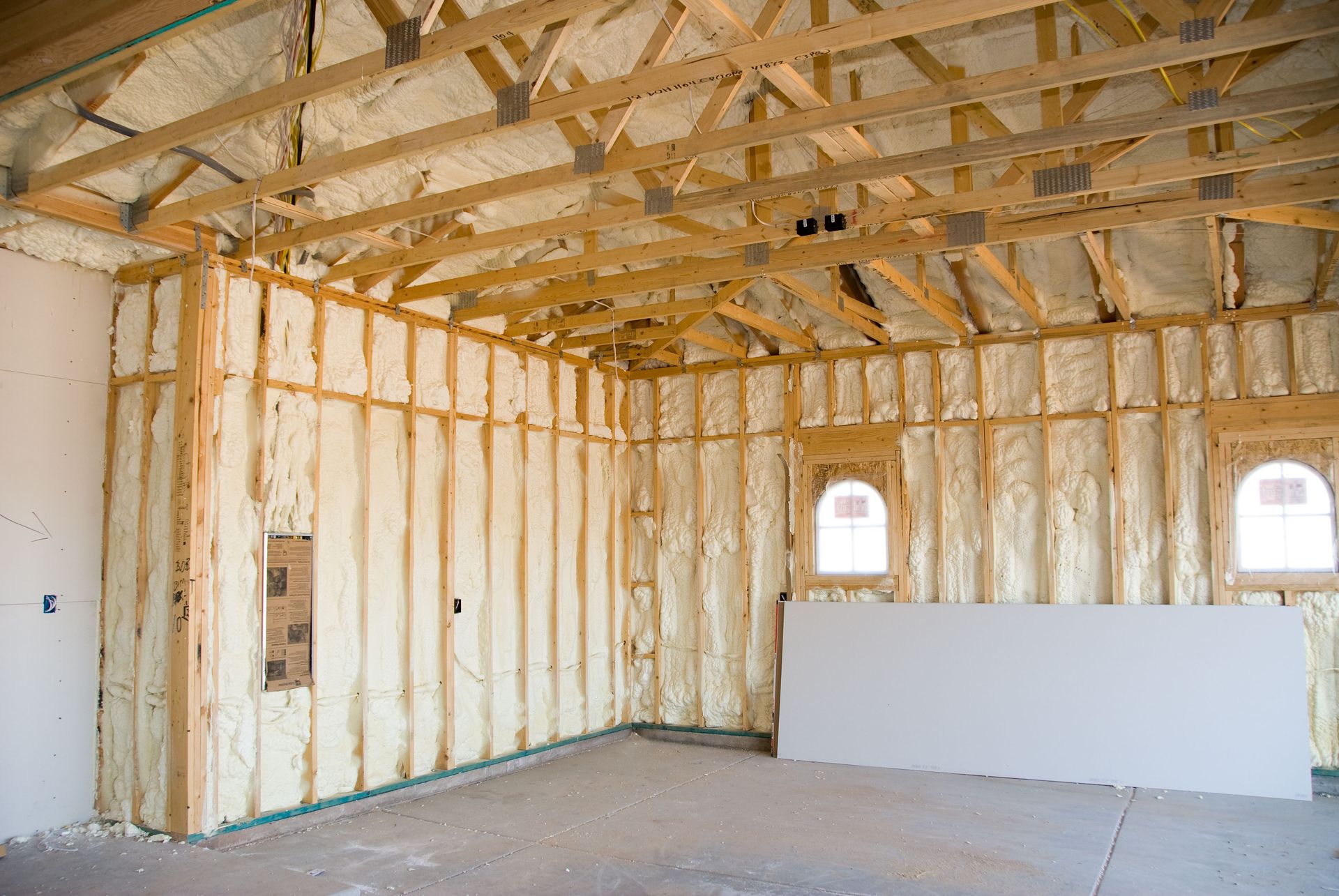
Spray foam insulation is a versatile and innovative solution for insulating homes, providing an air-tight seal that enhances energy efficiency. Typically composed of a two-component mixture of isocyanate and polyol resin, spray foam expands upon application, filling gaps and preventing heat exchange. This property makes it particularly effective at retaining heat during colder months and maintaining cool air during warmer seasons. Unlike traditional insulation materials, spray foam is applied as a liquid, allowing it to penetrate hard-to-reach areas. This flexibility in application helps to ensure a complete barrier, enhancing the overall insulation performance of a home.
The appeal of spray foam extends beyond its barrier-forming capabilities, as it also acts as an effective solution against air leakage. The foam's ability to expand means it covers areas where air might penetrate, thus reducing drafts and cold spots. Furthermore, the air sealing potential results in improved indoor air quality by limiting the influx of outdoor pollutants and allergens. By providing a robust resistance to air infiltration, spray foam insulation supports the efficient operation of heating and cooling systems. Consequently, homeowners can enjoy a more comfortable and consistent indoor climate year-round.
Moreover, spray foam insulation's utility is recognized by energy authorities. According to the U.S. Department of Energy, materials like foam boards offer up to twice the thermal resistance of most other insulating materials, enhancing energy savings and reducing thermal bridging. This efficiency in reducing heat conduction is particularly valuable when applied over elements like wood and steel studs in walls. By significantly cutting down thermal transfer, spray foam insulation promotes a more energy-efficient home, ultimately lowering utility costs and enhancing comfort. In this way, spray foam serves as a cornerstone in the quest for energy-efficient homes.
2. Types of Spray Foam Insulation and Their Differences
Spray foam insulation comes in two primary types: open-cell and closed-cell, each with distinct properties and benefits. Open-cell spray foam is characterized by its light and flexible structure, allowing for expansion and filling of larger areas. This type is affordable and provides excellent soundproofing properties due to its expansive nature, which absorbs sound waves. However, it is less dense than its counterpart, making it suitable for interior applications where vapor barrier properties are not the main concern. Open-cell spray foam is ideal for interior wall cavities where moisture control is managed by other means.
In contrast, closed-cell spray foam exhibits a denser composition, providing a superior barrier against moisture and air infiltration. This high-density foam is impervious to water, making it suitable for exterior applications and areas prone to moisture exposure. Its rigorous structure contributes to a durable insulation layer that supports the structural integrity of buildings. Closed-cell spray foam is also highly efficient in providing thermal resistance, aiding in substantial energy savings. The dense nature of closed-cell insulation offers top-tier performance for both thermal and moisture barriers, making it suitable for a wide range of applications.
The choice between open-cell and closed-cell foam often depends on the specific needs and climatic conditions of a home. Open-cell foam, with its expansive nature, is often selected for cost-effective insulation in mild climates, whereas closed-cell foam is preferred for areas requiring high insulation and moisture control. Contractors may recommend a combination of both types to optimize performance, using open-cell for soundproofing and closed-cell for areas needing robust moisture seals. Understanding these differences helps homeowners make informed decisions and optimize insulation performance. By selecting the right type, homeowners can enhance energy efficiency and indoor comfort.
3. Key Materials and Chemical Composition
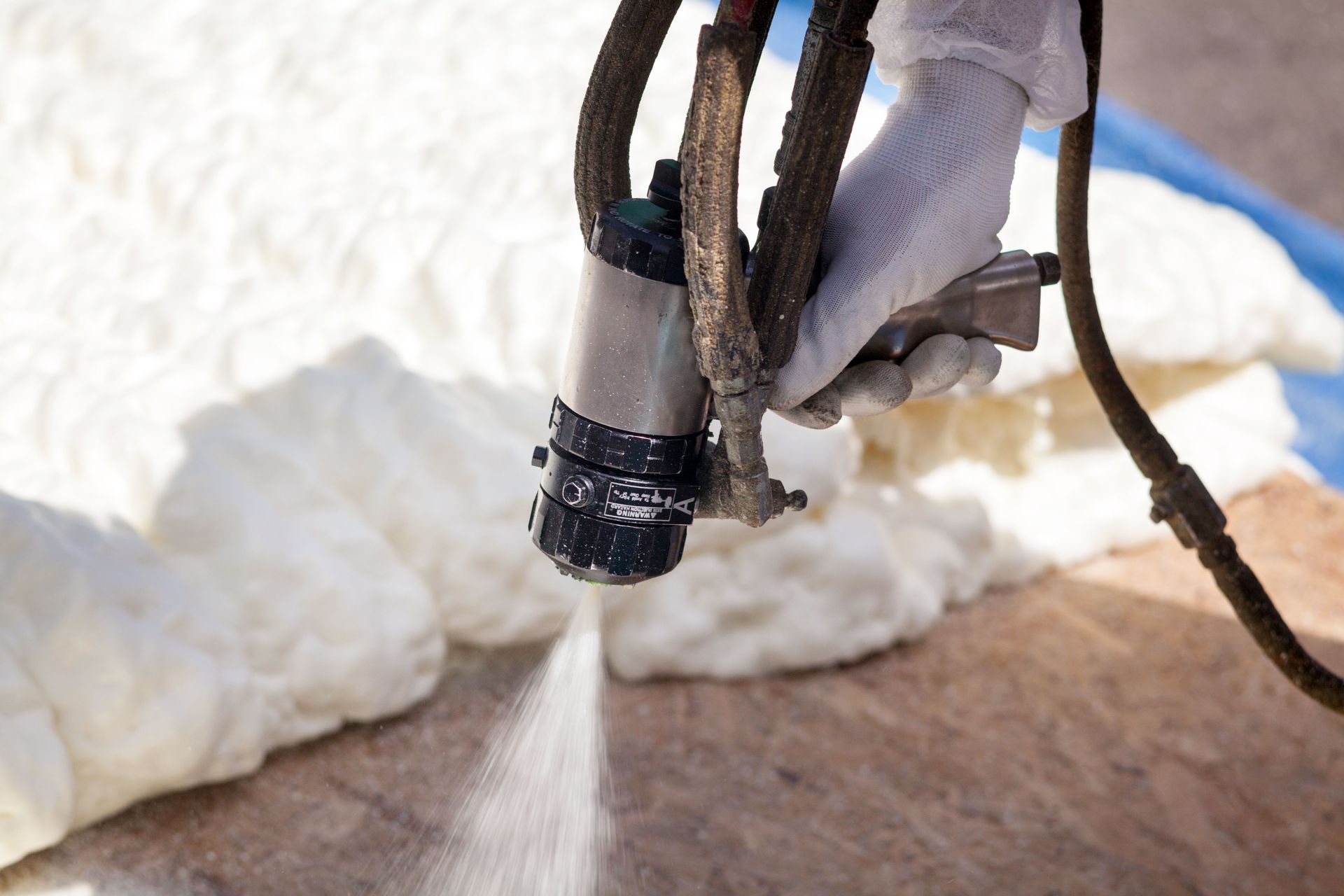
Spray foam insulation is composed primarily of two key liquid components: isocyanate and polyol resin, which react to form a rigid, high-density foam. The mixture is applied using specialized equipment that mixes and sprays the two components simultaneously, allowing for precise control during application. Upon spraying, the foam expands and hardens, creating an effective seal against air and moisture infiltration. These chemical constituents are pivotal in determining the performance characteristics of the foam. By carefully controlling the ratio and quality of isocyanate and polyol, manufacturers create a high-performance insulation product.
The formulation of spray foam insulation incorporates various additives to enhance its properties. Flame retardants are often included to improve fire resistance, a crucial factor in meeting building safety regulations. Furthermore, blowing agents are part of the composition, contributing to the foam's expansion and insulating properties. Different formulations of spray foam might also include antibacterial or antifungal treatments to improve indoor air quality by reducing the growth of mold and mildew. These additives ensure that spray foam insulation not only meets safety standards but also provides long-lasting protection and performance benefits.
When selecting spray foam, considering the environmental impact is becoming increasingly important. Some manufacturers offer eco-friendly formulations using renewable resources or water-based blowing agents to minimize environmental footprint. Innovations in material science continue to improve the sustainability of spray foam products, offering high performance with reduced environmental impact. Homeowners focused on sustainable living may seek out these greener options to align with their goals for energy efficiency and ecological responsibility. Through responsible selection, spray foam can serve both as an effective insulator and a contributor to sustainable building practices.
4. How Spray Foam Insulation Works
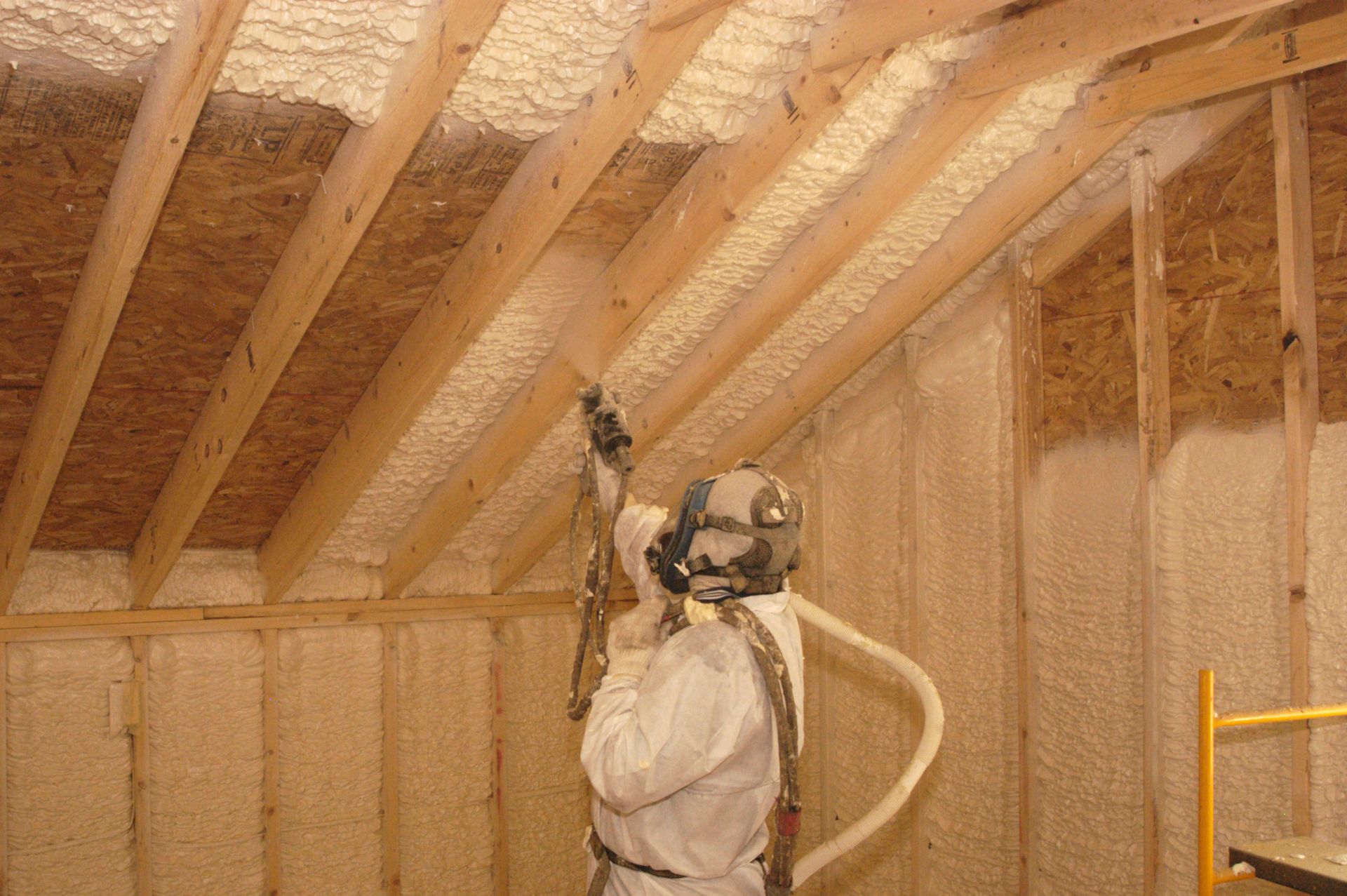
Spray foam insulation works by expanding on contact, forming a continuous and seamless barrier against air and thermal transfer. This barrier inherently prevents the infiltration of outdoor air, which can significantly enhance the thermal performance of a building. Spray foam's ability to adhere to most surfaces means it can be applied to diverse parts of a building, from attic spaces to crawl spaces, ensuring comprehensive coverage. Its adaptability allows it to fit snugly into irregularly shaped areas and hard-to-reach cavities that traditional insulation methods might miss. By sealing these spaces, spray foam prevents drafts and helps stabilize indoor temperatures.
Upon application, the foam expands to form a barrier that not only resists thermal transfer but also strengthens the structure it adheres to. This reinforcement comes from the nature of closed-cell spray foam, which, due to its density, improves the structural integrity of walls and ceilings. In terms of energy efficiency, the barrier created by spray foam stops the movement of air between indoors and outdoors, reducing energy needed for heating and cooling. This results in significant cost savings on energy bills, as the interior climate remains stable regardless of outside temperature fluctuations. The effectiveness of the insulation ensures that homes perform optimally year-round.
The process of spray foam insulation application is vital for its performance efficiency. Professional contractors use specialized tools to ensure even application, making sure all nooks and crannies are effectively sealed. This requires an understanding of both the structure of the spray foam and the design of each individual home. By providing an airtight seal, the insulation helps HVAC systems work more efficiently, which can prolong their lifespan and reduce maintenance costs. Additionally, its insulating properties help to maintain a comfortable indoor environment, supporting the overall well-being of the home's occupants. Be sure to reach out to JJ&K Remodeling Corp today to learn more about our professional spray foam insulation contractors!